
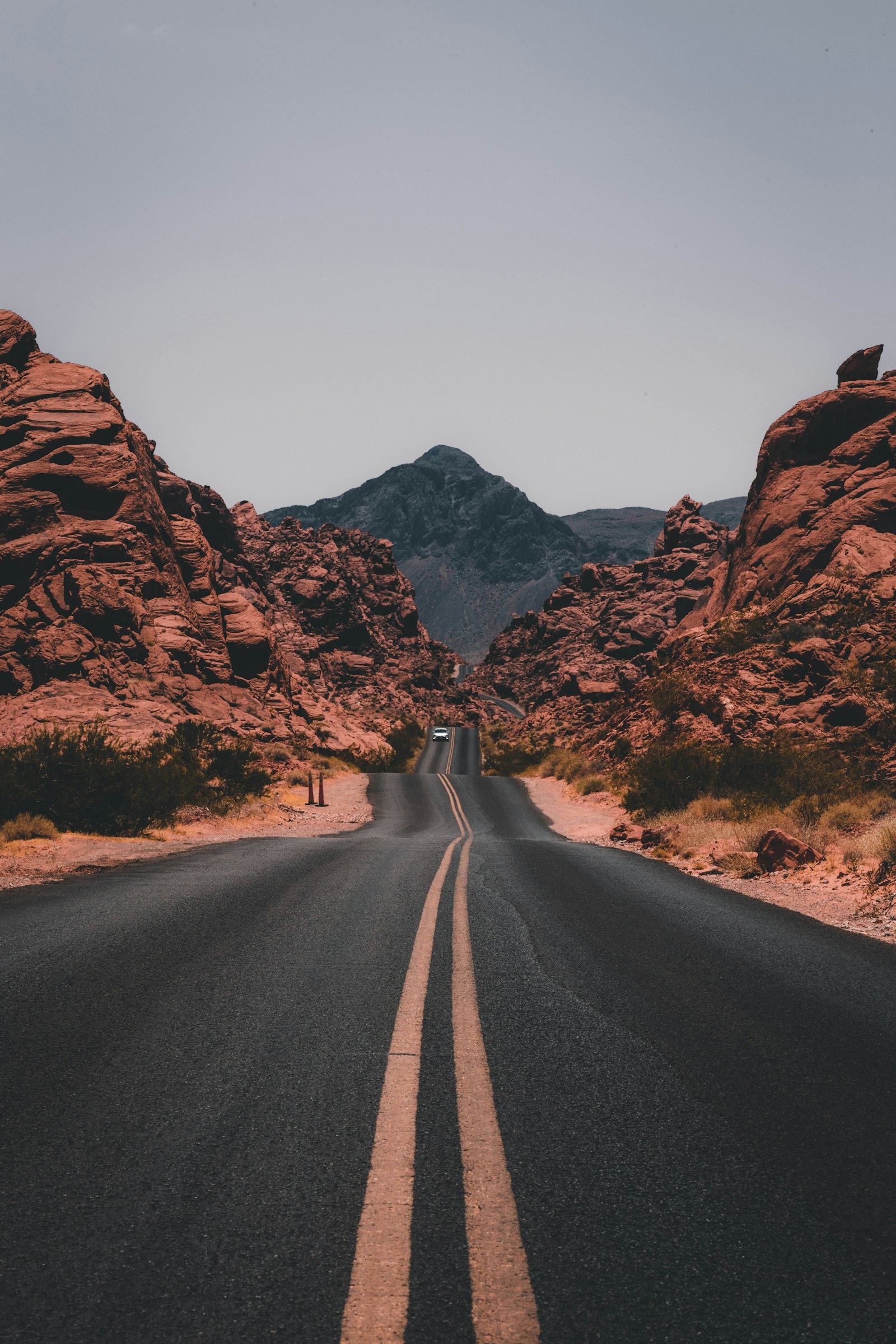
Paddleboarding is often described through distance, speed, or a list of destinations. Those measures can be useful, but they do not capture every good reason to be on the water. A slow adventure has its own shape: a route with room to pause, a pace that supports conversation, and enough attention left to notice a heron lifting from the reeds or light changing across the surface.
Going slowly begins with choosing less. Pick one shoreline, cove, or stretch of river instead of trying to collect every view in a single outing. A shorter route makes it easier to turn around when the breeze shifts and gives you time to practice relaxed strokes. When your hands soften and your shoulders drop, the board often moves more quietly and efficiently.
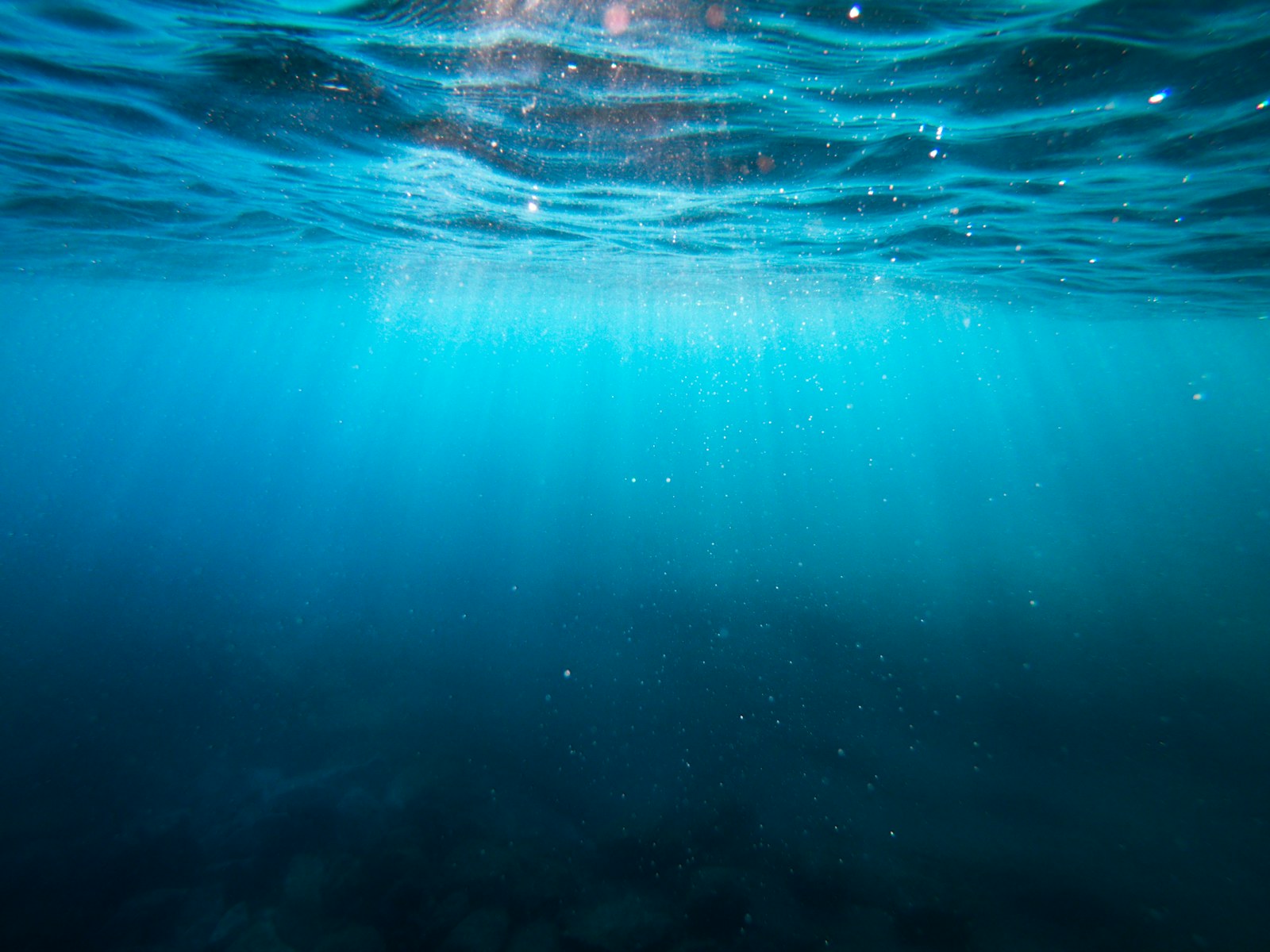
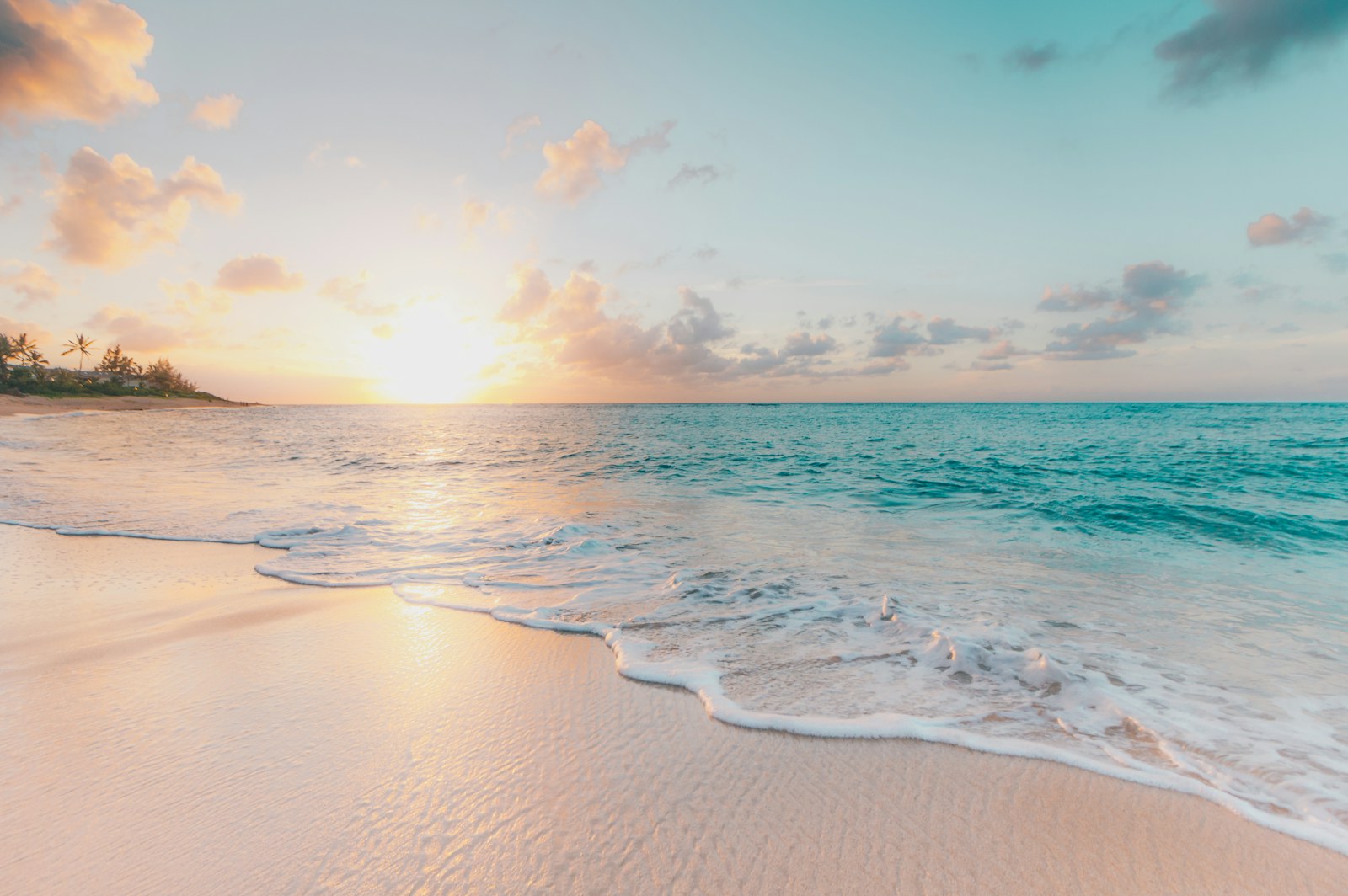
A slow paddle is also a useful way to learn a new area. Landmarks become memorable because you are not passing them in a blur. You can notice where the water is sheltered, where boat wakes reflect from a seawall, and which small openings lead to a quieter view. Those observations become a practical mental map for a future visit.
Let a slower route reveal more of the shoreline
Wildlife asks for patience and distance. Keep your route predictable, avoid chasing animals for a closer photograph, and let the shoreline remain a place where they can feed or rest. Binoculars or a small waterproof camera can help, but the best tool is often a quiet paddle stroke followed by a pause. Seeing less intensely can help you see more.
Slow does not mean unstructured. Bring water, check the weather, tell someone your broad plan, and decide how you will return if the group becomes tired. The difference is that the plan protects spaciousness instead of filling every minute. That makes a slow outing especially useful for families, new paddlers, and anyone who wants movement without another performance goal.
When you land, ask what you noticed rather than how far you went. Maybe the calmest part of the day happened beside a reed bed, or a short stretch of steady strokes felt better than a longer push. Those are not minor details. They are clues about the kind of time on the water that restores you, which is often the most valuable route knowledge of all.
A quick planning view
| Slow-adventure choice | Why it helps |
|---|---|
| One clear route | Leaves attention for surroundings and easy decisions. |
| A flexible turnaround | Keeps the outing comfortable if energy or weather changes. |
| Quiet observation | Creates space for wildlife and a more memorable experience. |
Four simple reminders
- Choose a small area and explore it with patience.
- Keep your strokes quiet near shoreline habitat.
- Pause without blocking a launch, dock, or navigation path.
- Measure the day by attention, not only distance.
For a deeper next step, explore mindful paddling, compare it with wildlife viewing from a sup, and keep photography from a paddleboard nearby when you plan your next water day.