Train with the water
Build a stronger, smoother stroke
Focused paddleboard training for technique, endurance, balance, and a more capable body on the water.
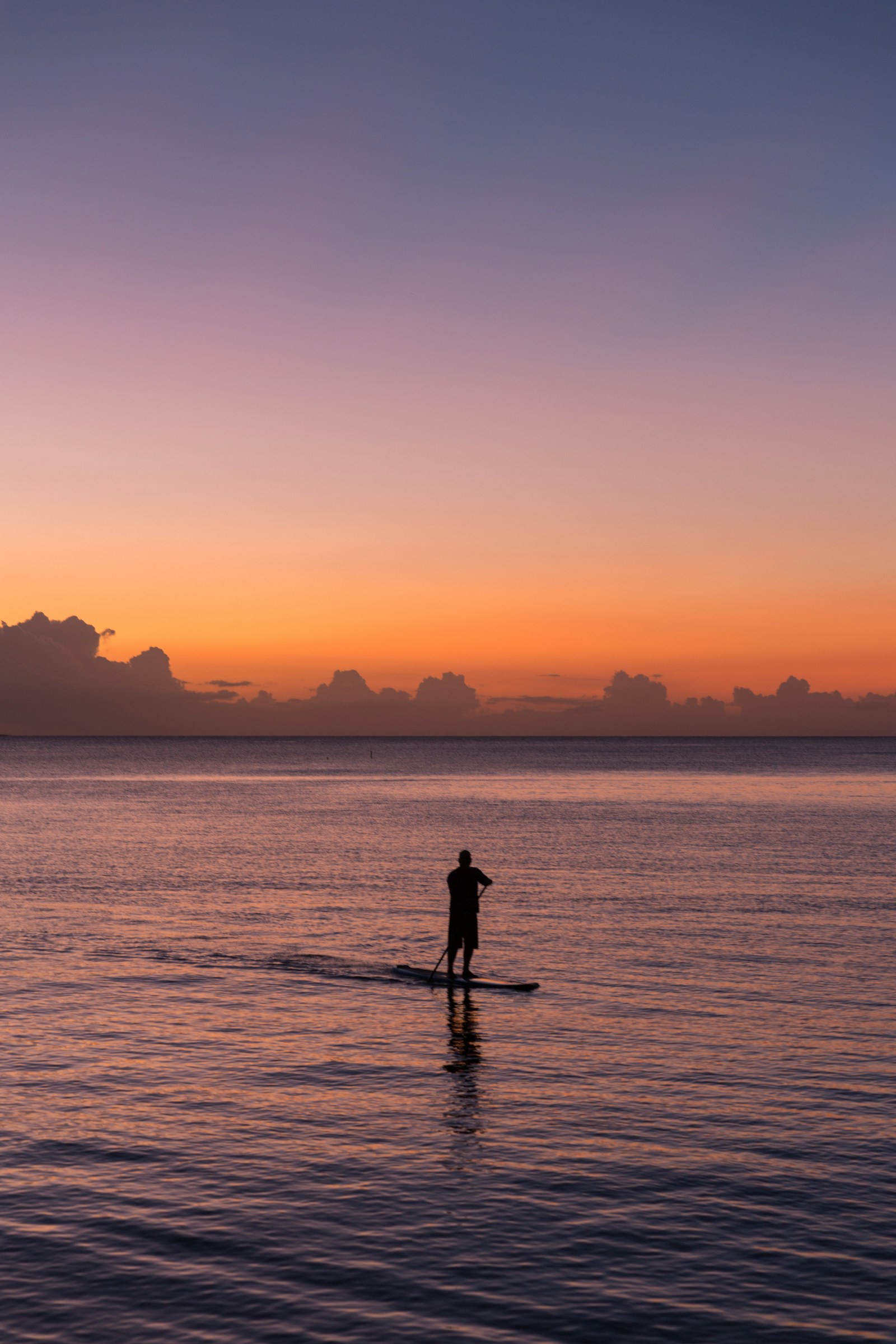
Training on a paddleboard is more than adding distance. It is a conversation between your feet, core, hands, and the water beneath you. A clear training plan alternates technique, steady aerobic work, balance, and enough recovery to keep the practice enjoyable.
Train the pieces that make distance easier
A strong session often begins with an easy warm-up that lets you notice how the board tracks. From there, short technique intervals can focus on reach, catch, exit, or switching sides. The goal is not to force a perfect stroke; it is to make efficient movement feel available when you are breathing harder.
Balance work belongs in training because an unstable stance makes every stroke expensive. Small weight shifts, controlled turns, and brief kneeling resets build awareness without turning a session into a circus. Over time, a stable base gives the upper body room to stay relaxed.
Make the plan sustainable
Choose one session each week for a steady, conversational effort and one for a focused skill. Add an optional longer paddle when energy and weather align. Between water days, mobility for shoulders, hips, and ankles can support a comfortable stance without trying to imitate the exact movement on land.
Keep notes simple: time on the water, how the conditions felt, and one detail you want to repeat. That information is more useful than chasing a number that does not account for wind, current, or the way you slept.
Field notes
A balanced training week
The best plan is one you can repeat. Use these building blocks as a flexible starting point.
- One technique-focused session with short, clear intervals.
- One easy aerobic paddle at a pace that supports conversation.
- A few minutes of balance practice at the beginning or end.
- At least one recovery day before the next demanding effort.
Strength that still feels like paddling
Training on a board can be purposeful without becoming noisy. Start with the quality of the stroke, then add time or distance only when the movement remains controlled. A brief reset between efforts helps you notice whether fatigue is changing your posture, grip or direction before those changes become a habit.
Keep a simple record of what felt strong and what felt rushed. That note can guide the next session more honestly than a single number. Progress on the water is often the ability to repeat useful movement with a little more ease.