
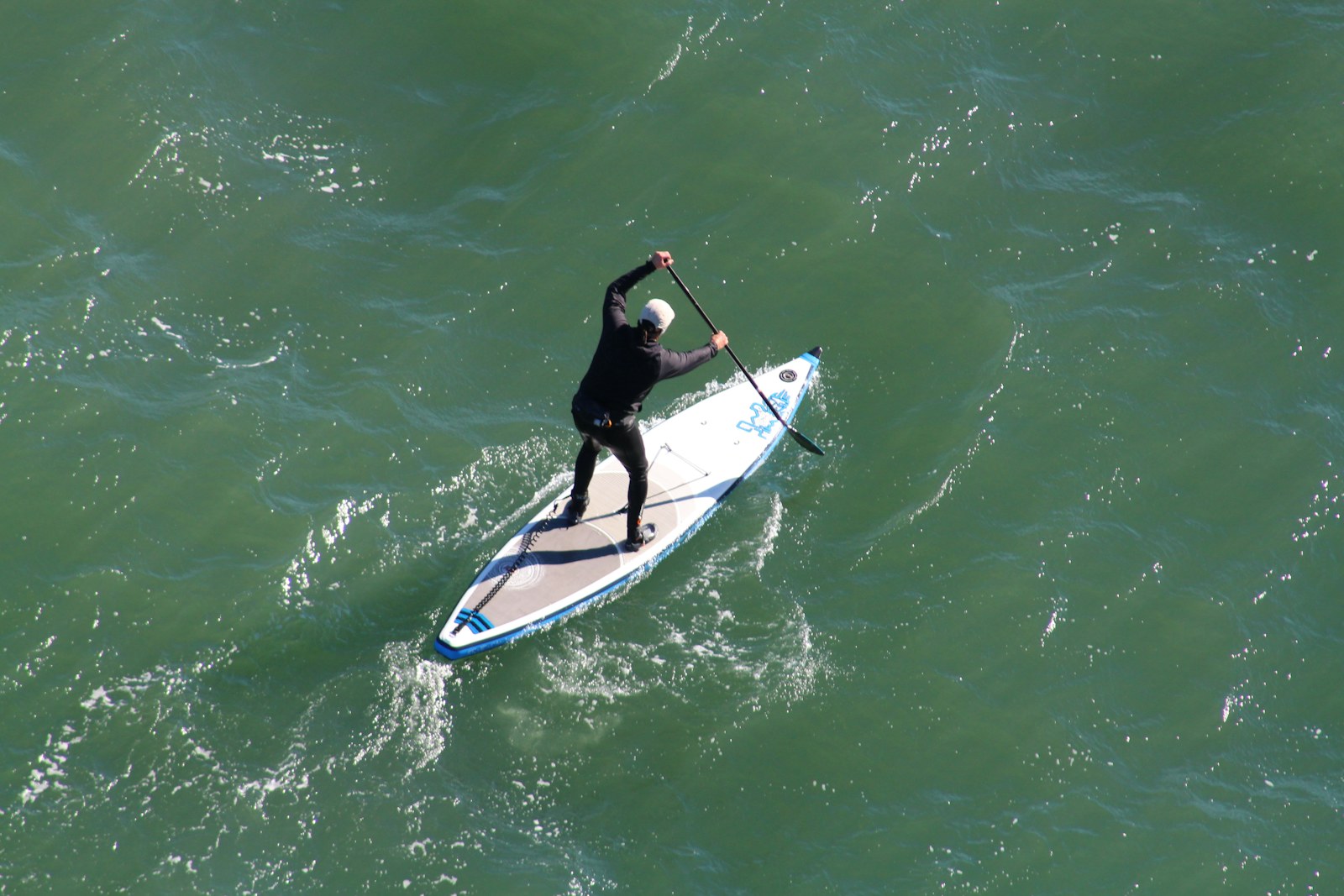
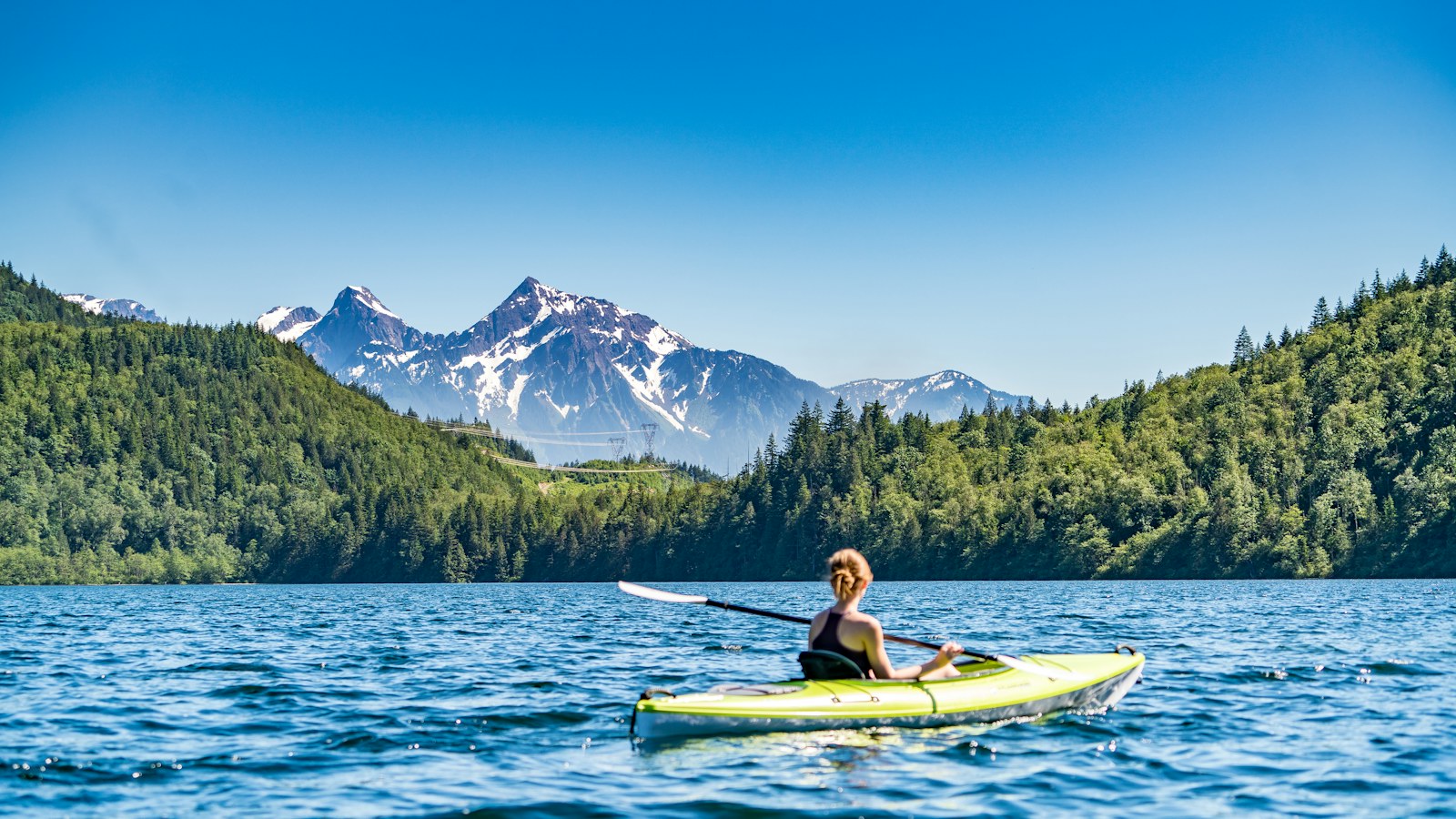
A calm-water paddle begins before the board touches the water. The most satisfying outings are rarely the ones with the most ambitious route. They are the ones where the plan matches the conditions, the equipment feels familiar, and there is enough time to notice what is happening around you. Start by deciding what kind of day you want: a short skills session, an easy scenic loop, or an hour of quiet movement.
Check the forecast, then check the water. Wind direction matters more than a single number because it changes how the return leg feels. Look for a launch area with a clear exit, identify one landmark that can serve as a turnaround, and keep the first half of the route into the gentler part of the breeze when possible. If the surface looks more textured than expected, shorten the plan without treating that decision as a disappointment.
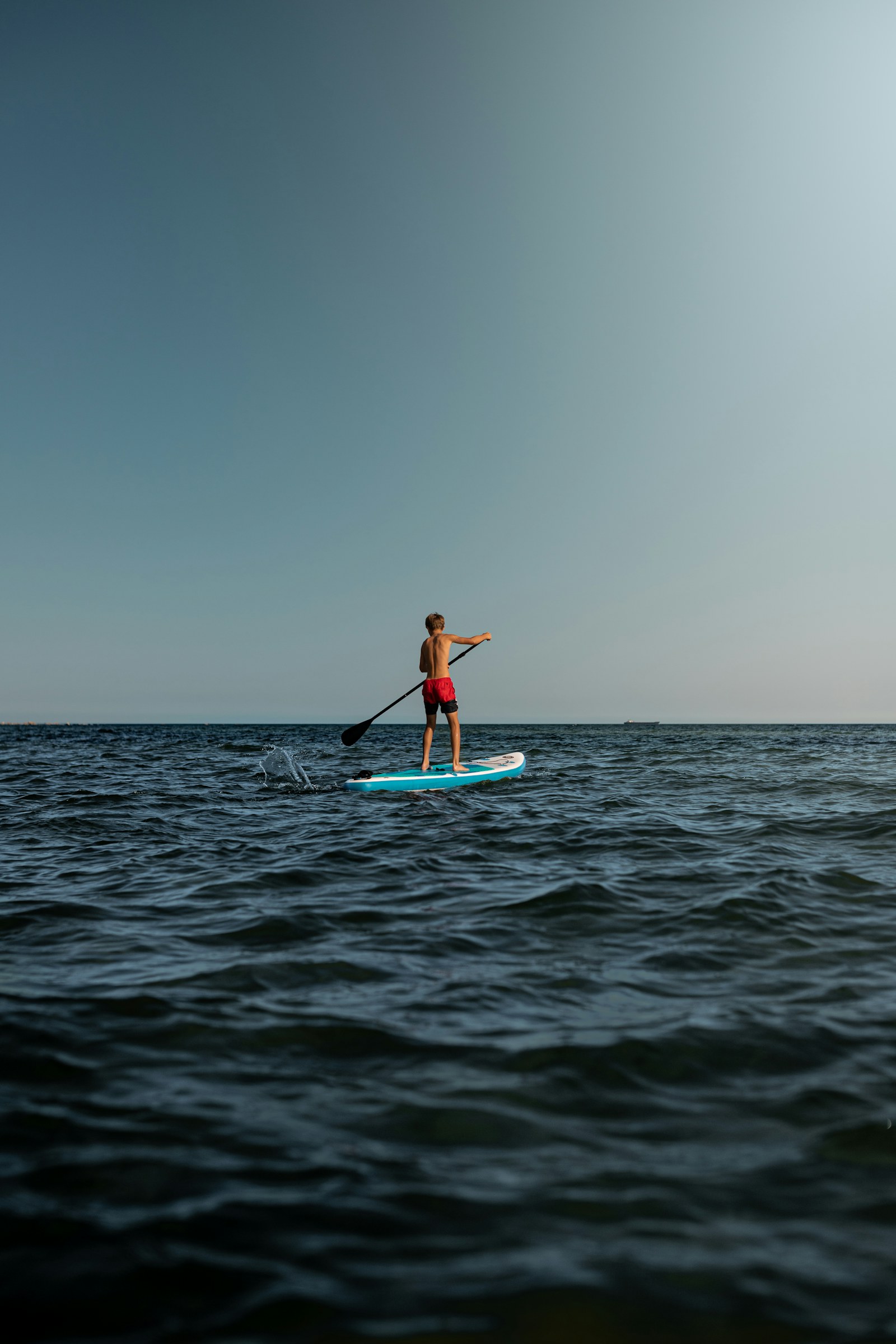
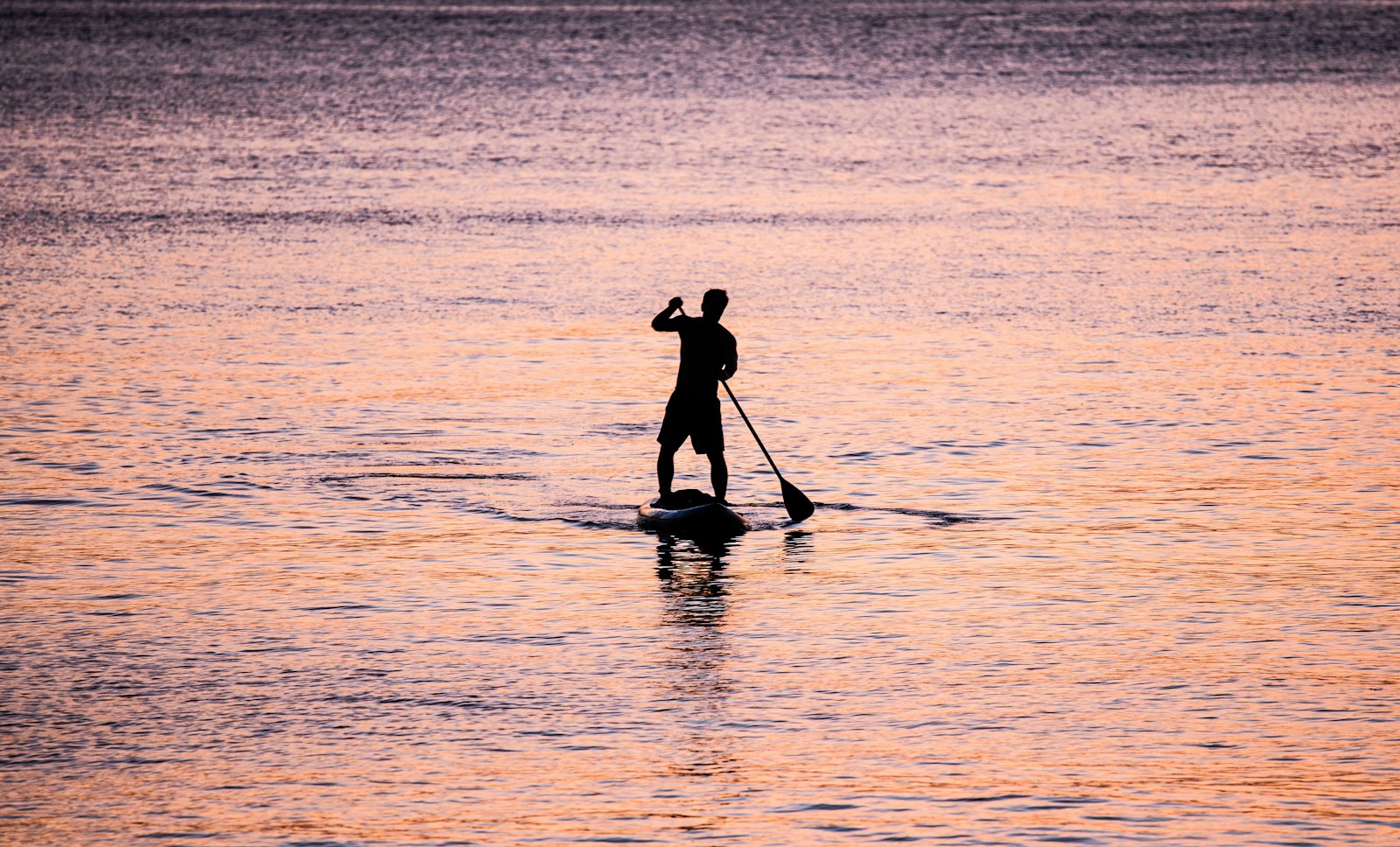
Your equipment should reduce decisions. A stable all-around board works well for relaxed exploring, while an adjustable paddle lets you refine your setup on shore. Wear a properly fitted personal flotation device, attach your leash in the setting where it is appropriate, and protect your phone in a waterproof case. The goal is to keep essentials close while leaving your hands and attention available for paddling.
Build a route that can change without losing its shape
Once you launch, spend the first five minutes moving slowly. Notice whether the board tracks straight, whether your grip is tense, and whether you are drifting toward the side you expected. Use short strokes to settle in, then lengthen them only when your breathing stays easy. A calm pace is not wasted time; it is how you learn what the water is asking of you.
A useful route has built-in choices. You might paddle a little farther if the breeze stays gentle, pause for a drink at a safe shoreline, or turn around earlier if the group is ready to return. When friends or family join, agree on a regrouping point and let the newest paddler set the rhythm. Shared water time feels better when no one has to hide that they need a break.
After landing, make a short note while the experience is fresh. What time felt best? Did the board carry the way you expected? Was the launch easy to find? These observations become a personal route library. Over time, you will recognize which mornings favor a longer loop, which coves offer shelter, and which small preparation steps make the whole outing feel lighter.
A quick planning view
| Planning question | A useful answer |
|---|---|
| What is the goal? | Choose skills, scenery, fitness, or quiet before choosing distance. |
| Where is the easy return? | Pick a visible landmark and keep it within a comfortable range. |
| What will change? | Wind, current, temperature, and group energy can all reshape the route. |
Four simple reminders
- Choose a launch with a clear path in and out.
- Keep the first leg conservative so the return stays comfortable.
- Carry water and sun protection even on a short loop.
- Give every paddler permission to change the plan.
For a deeper next step, explore beginner paddleboarding, compare it with wind and current basics, and keep board rentals nearby when you plan your next water day.