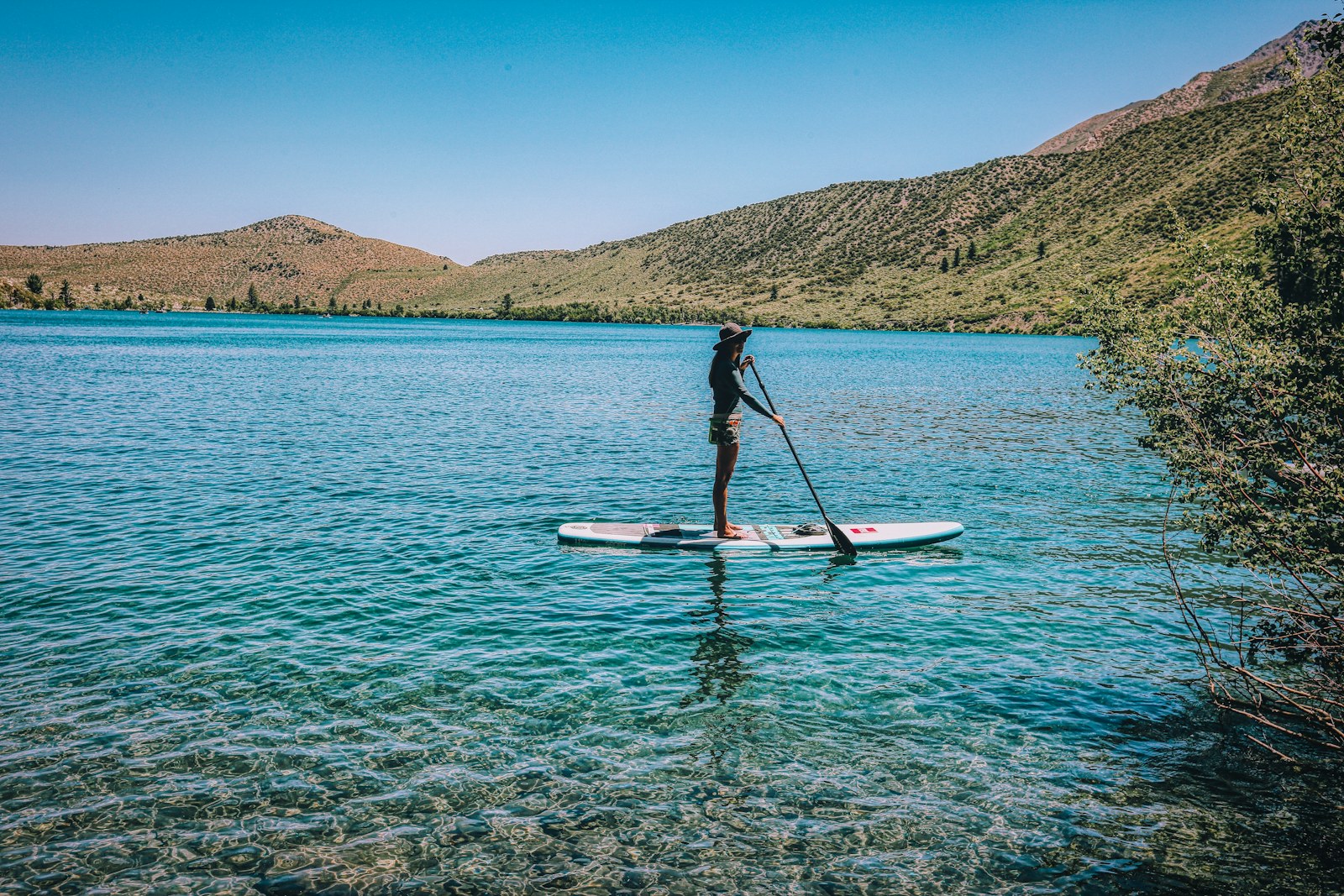
Birdwatching by Paddleboard: practical observation without pursuit for a comfortable paddle around birding from the water, with seasonal notes for a calm morning near shoreline habitat.
Birdwatching by Paddleboard becomes easier to use when moving quietly enough to notice the shoreline. At reed margins where herons and smaller water birds gather, keep your paddle strokes short and let the board drift when a good viewing angle appears. The useful measure is patience makes the wildlife encounter feel earned rather than staged, because it keeps the advice connected to the actual day rather than to an ideal version of it. The strongest habit in birdwatching by paddleboard is a small one: keep your paddle strokes short and let the board drift when a good viewing angle appears. It matters especially when moving quietly enough to notice the shoreline at reed margins where herons and smaller water birds gather. Over time, patience makes the wildlife encounter feel earned rather than staged becomes a dependable part of how you decide where and how to paddle.
Keep the return in view from the beginning: moving quietly enough to notice the shoreline
The strongest habit in birdwatching by paddleboard is a small one: keep your paddle strokes short and let the board drift when a good viewing angle appears. It matters especially when moving quietly enough to notice the shoreline at reed margins where herons and smaller water birds gather. Over time, patience makes the wildlife encounter feel earned rather than staged becomes a dependable part of how you decide where and how to paddle.
A practical way into birdwatching by paddleboard is to pair moving quietly enough to notice the shoreline with an observable choice. At reed margins where herons and smaller water birds gather, keep your paddle strokes short and let the board drift when a good viewing angle appears. This protects patience makes the wildlife encounter feel earned rather than staged while keeping the session open to small changes in energy and conditions.
Make the practical details feel light: reed margins where herons and smaller water birds gather
Birdwatching by Paddleboard becomes easier to use when moving quietly enough to notice the shoreline. At reed margins where herons and smaller water birds gather, keep your paddle strokes short and let the board drift when a good viewing angle appears. The useful measure is patience makes the wildlife encounter feel earned rather than staged, because it keeps the advice connected to the actual day rather than to an ideal version of it.
The strongest habit in birdwatching by paddleboard is a small one: keep your paddle strokes short and let the board drift when a good viewing angle appears. It matters especially when moving quietly enough to notice the shoreline at reed margins where herons and smaller water birds gather. Over time, patience makes the wildlife encounter feel earned rather than staged becomes a dependable part of how you decide where and how to paddle.
Use the surroundings as a quiet coach: patience makes the wildlife encounter feel earned rather than staged
A practical way into birdwatching by paddleboard is to pair moving quietly enough to notice the shoreline with an observable choice. At reed margins where herons and smaller water birds gather, keep your paddle strokes short and let the board drift when a good viewing angle appears. This protects patience makes the wildlife encounter feel earned rather than staged while keeping the session open to small changes in energy and conditions.
Birdwatching by Paddleboard becomes easier to use when moving quietly enough to notice the shoreline. At reed margins where herons and smaller water birds gather, keep your paddle strokes short and let the board drift when a good viewing angle appears. The useful measure is patience makes the wildlife encounter feel earned rather than staged, because it keeps the advice connected to the actual day rather than to an ideal version of it.
When you return to birdwatching by paddleboard, let this outing answer one practical question and leave the next question for another day. That slower accumulation of local knowledge is what makes a paddle feel more familiar without making it feel routine.
Field notes for Birdwatching by Paddleboard
Birdwatching by Paddleboard: a page-specific water plan
These birdwatching by paddleboard prompts are written for real water, real people and changing conditions rather than for a generic checklist.
For Birdwatching by Paddleboard, name the part of reed margins where herons and smaller water birds gather that deserves your attention before launch.
On a birdwatching by paddleboard outing, choose one simple action that supports moving quietly enough to notice the shoreline without rushing it.
Keep a visible reference point for Birdwatching by Paddleboard so keep your paddle strokes short and let the board drift when a good viewing angle appears stays easy to follow.
Leave enough room in birdwatching by paddleboard for patience makes the wildlife encounter feel earned rather than staged if the conditions or group energy change.
Record one observation from this birdwatching by paddleboard outing that can shape the next one.